The color-coded planner, a 4.0 GPA, a schedule packed from morning to night. Some students seem built for school. They move from class to practice to meetings without missing a step, always one assignment ahead. Others take a different approach, finishing work closer to the deadline and balancing school with a more relaxed mindset.
For years, people have labeled these differences as “Type A” and “Type B” personalities. But in today’s school environment, where pressure is constant and expectations keep rising, those labels may say more about the system than the students themselves.
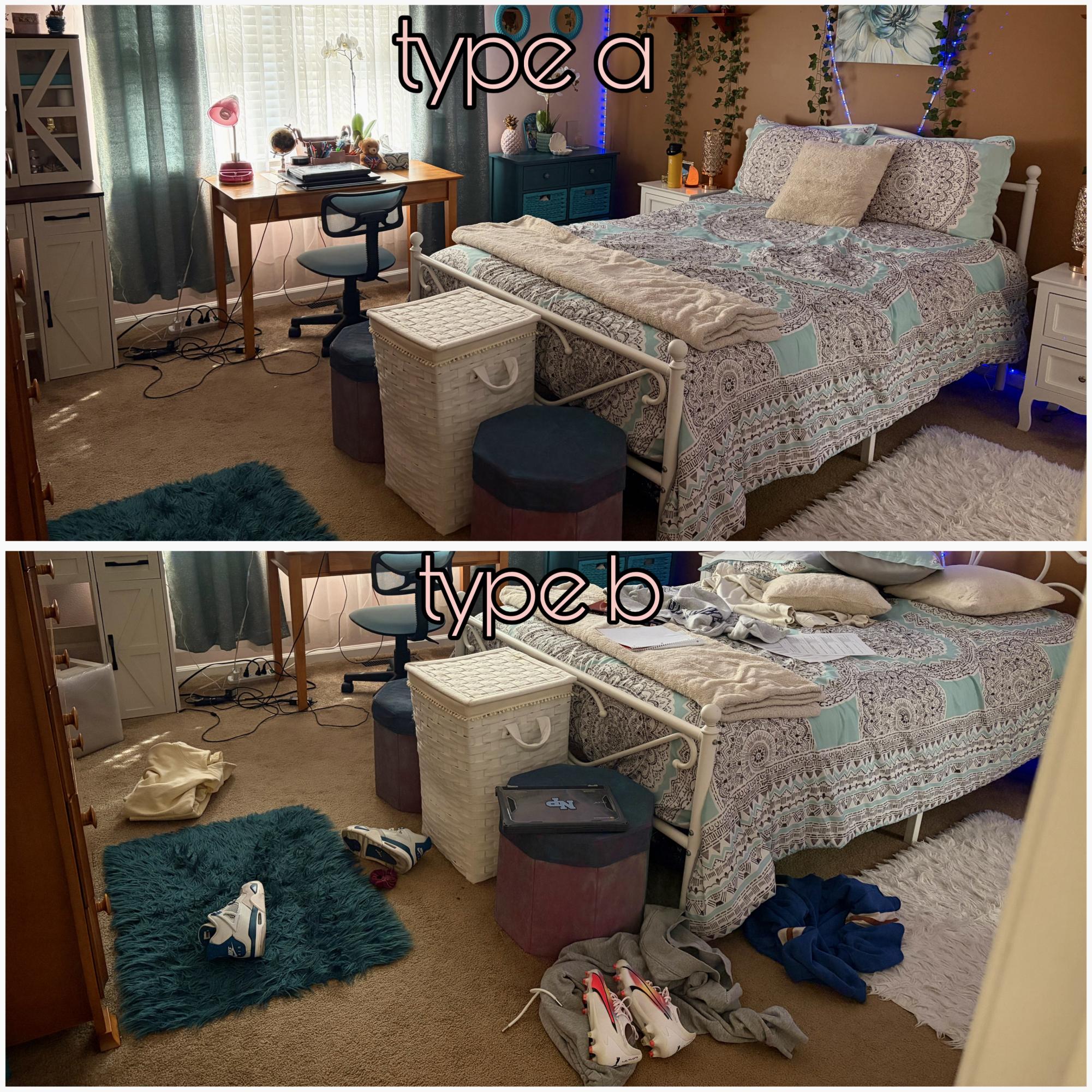
Type A students are often described as organized, competitive, and highly driven. They keep detailed planners, aim for perfect grades, and push themselves to stay ahead. Type B students, in contrast, tend to be more laid-back. They may procrastinate, work better under pressure,and value flexibility over strict structure.
At first glance, it seems obvious which type would succeed more in school. Education is built around deadlines, grades, and performance, all of which naturally reward Type A behavior. Assignments are due at specific times. Tests measure how well you prepare in advance. Participation and leadership roles often go to those who are confident and proactive.
But that does not mean Type A students have it easy.
The same traits that help them succeed can also lead to burnout. The pressure to maintain perfect grades, stay involved in multiple activities, and constantly achieve more can become overwhelming. For many, it creates a cycle where nothing ever feels good enough. Even small mistakes can feel like major failures, adding to stress and anxiety.
This pressure is amplified by social media platforms like TikTok, where productivity is often aestheticized. Videos of perfectly organized notes, early morning routines, and long study sessions create an image of success that feels almost impossible to reach. Instead of motivating students, it can make them feel like they are constantly falling behind.
Meanwhile, Type B students are often misunderstood. Their more relaxed approach can be mistaken for laziness or a lack of motivation. In reality, many Type B students are creative and adaptable. They may not follow strict schedules, but they often find their own ways to succeed, sometimes producing their best work under pressure.
In some cases, their mindset may even be healthier. Without the constant pressure to be perfect, they are less likely to experience the same level of stress and burnout. They may approach challenges with more flexibility, allowing them to recover more easily from setbacks.
Still, the structure of school does not always support that style. Rigid deadlines and standardized expectations leave little room for different working habits, making it harder for Type B students to be recognized for their strengths.
As a result, many students feel caught between the two. They are expected to be organized and high-achieving while also maintaining balance and avoiding burnout. Social media only adds to this contradiction, promoting both intense productivity and effortless, carefree lifestyles at the same time.
In reality, most students do not fit neatly into one category. A student might be highly organized in one class and completely unmotivated in another. They might thrive under pressure one week and feel overwhelmed the next. The idea that people are strictly Type A or Type B oversimplifies how they actually function.
Maybe the real question is not which type succeeds more, but why success is defined so narrowly in the first place.
Because if school only rewards one way of working, it does not mean that way is better. It simply means it is the one the system was designed to recognize.