

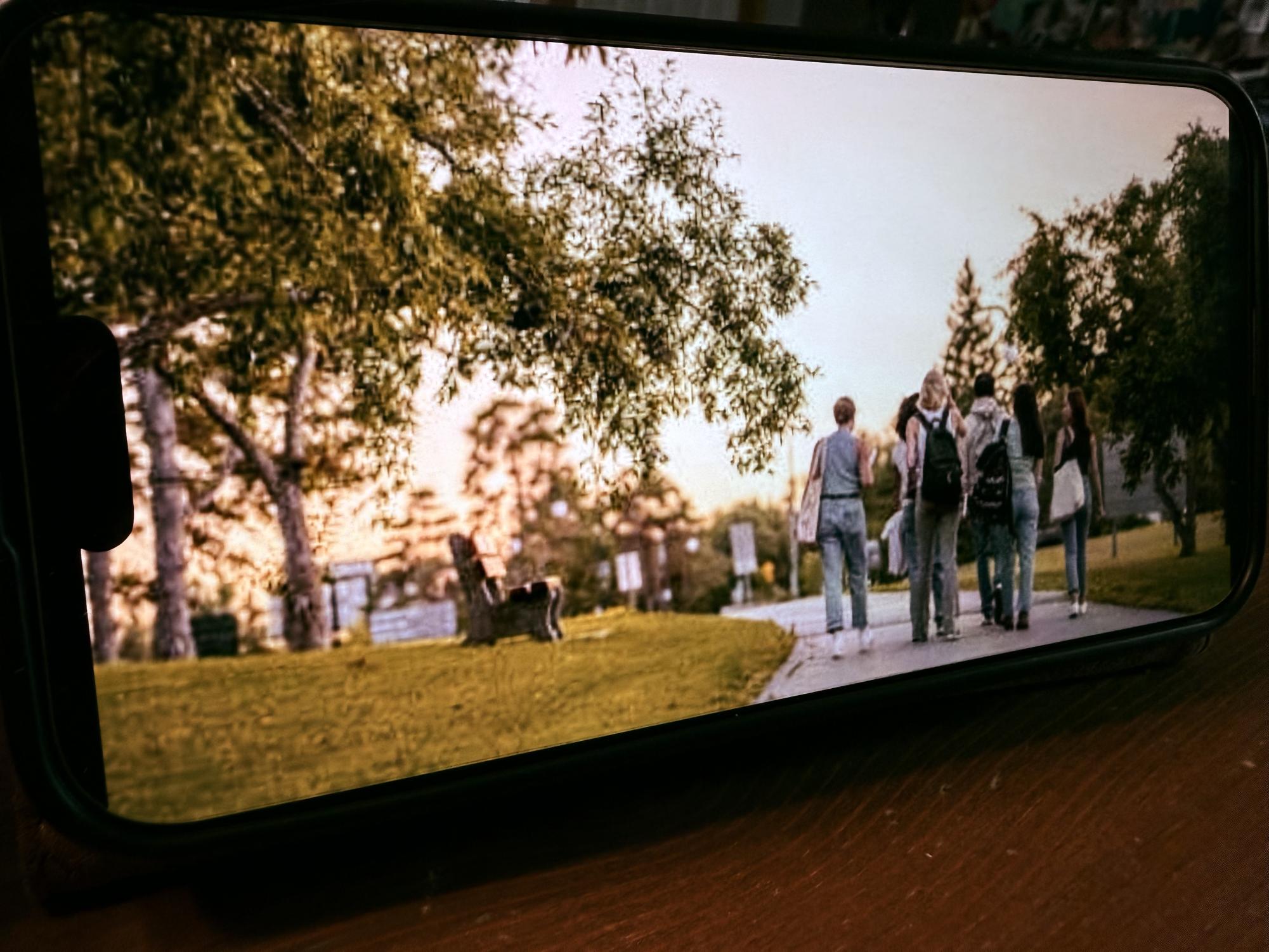
For many students heading off to college, the biggest adjustment isn’t always academics; it’s culture. And nowhere is that more noticeable than in the differences between the North and the South.
In the North, life tends to move fast. People walk with purpose, conversations are efficient, and “how are you?” often means “hello,” not an invitation for your life story. Up here, independence is the default; students quickly learn how to navigate crowded places, packed schedules, and the occasional blunt personality.
Head south, and things slow down a bit. There’s a stronger emphasis on hospitality: holding doors, saying “yes ma’am” or “no sir,” and actually stopping to chat when someone asks how you’re doing. It’s not uncommon for strangers to strike up conversations in diners or for strangers to spend extra time getting to know people personally.
That difference in friendliness isn’t just a stereotype. Articles like Readers Digest shows that regional culture in the U.S. still plays a role in social behaviors and communication styles, with Southern communities often emphasizing politeness and interpersonal warmth more strongly.
Of course, weather plays its own role in shaping campus life. Northern students become experts in layering clothes and sprinting across campus in freezing temperatures, while Southern students might complain when it drops below 60 degrees but enjoy outdoor studying nearly year-round.
Food is another noticeable shift. In the North, quick dining might lean toward variety and convenience. In the South, comfort food often takes center stage – fried chicken, biscuits, and sweet tea that somehow tastes better on a warm afternoon. According to studies from the South Magazine lots of common southern and northern foods are slightly varied from the same thing.
But despite all the differences, one thing stays the same: college is about finding your place. Whether you’re navigating a fast-paced Northern campus or easing into the slower rhythms of the South, students adapt quickly and often end up appreciating both worlds.